


We’ve all been there, right? That moment when you’re running low on hot water, or you get a utility bill that makes your eyes water. It got us thinking about our home’s water heater. Ours is getting a bit old, and we started looking into newer models. Turns out, there’s a whole world of high efficiency water heaters out there, and the benefits are pretty compelling. We decided to look into what upgrading might mean for us, and we wanted to share what we found.
Key Takeaways
- Upgrading to a high efficiency water heater can lead to noticeable savings on your monthly energy bills.
- These units use less energy overall, which is good for your wallet and the planet.
- You’ll likely get more consistent hot water, and these newer models tend to be more reliable, meaning fewer repair worries.
- There are different types of high efficiency water heaters, like condensing, heat pump, and tankless, each with its own way of saving energy.
- While the initial cost might be higher, the long-term financial pluses, like potential rebates and a longer lifespan, make it a smart move.
Significant Energy Savings With A High Efficiency Water Heater
When we look at our home’s energy use, the water heater often plays a big part. Upgrading to a high-efficiency model can really make a difference in how much we spend each month. It’s not just about a small change; we’re talking about noticeable savings that add up over time. This is one of the most direct financial benefits we can see from making the switch.
Reduced Monthly Utility Bills
Think about your utility bill. A good chunk of that is for heating water. Older water heaters just aren’t built to hold onto heat very well. They lose a lot of energy just sitting there, meaning they have to work harder and use more power to get the water hot again when you need it. High-efficiency units are designed to minimize this heat loss. They use better insulation and smarter heating elements. This means less energy is wasted, and that directly translates to a lower bill for us. We’ve seen estimates that suggest savings can range from 10% to over 30% on the water heating portion of our energy costs, depending on the old unit and how much hot water we use.
Lower Overall Energy Consumption
Beyond just the money, using less energy is a good thing for the planet. High-efficiency water heaters are built with conservation in mind. They achieve higher energy factor ratings, which is a measure of how efficiently they convert energy into hot water. This means less electricity or gas is consumed overall. For example, a standard tank water heater might have an energy factor of around 0.60, while a high-efficiency model, like a condensing tankless unit, could reach 0.90 or higher. That’s a significant reduction in the amount of energy we’re pulling from the grid or our gas lines.
Environmental Impact Reduction
Less energy consumption means a smaller carbon footprint. When we use less electricity generated from fossil fuels or burn less natural gas directly, we reduce the amount of greenhouse gases released into the atmosphere. This is a contribution we can make right from our homes. It feels good knowing that our choice to upgrade isn’t just saving us money, but also helping to protect the environment for future generations. It’s a win-win situation that benefits both our household budget and the wider world.
Making the switch to a high-efficiency water heater is a practical step towards a more sustainable lifestyle. It addresses immediate cost savings while also contributing to broader environmental goals. The technology has advanced to a point where these units are not only effective but also responsible choices for modern homes.
Enhanced Home Comfort And Reliability
Upgrading your water heater isn’t just about saving money, though that’s a big part of it. We’ve found that a high-efficiency unit really makes a difference in how comfortable our homes feel day-to-day. It’s about having hot water when you need it, without worry.
Consistent Hot Water Supply
Remember those times when you’d start a load of laundry, only to have the shower go cold halfway through? That’s a frustration we don’t miss. High-efficiency models are designed to keep up with demand much better. They heat water more quickly and maintain a more stable temperature. This means fewer interruptions and more reliable hot water for everyone in the household, no matter what activities are happening. Whether it’s back-to-back showers, running the dishwasher, or filling a tub, we’ve noticed a significant improvement in consistent hot water availability.
Reduced Risk Of Malfunctions
Older water heaters, especially those that have been around for a decade or more, are more prone to problems. Parts wear out, sediment builds up, and suddenly you’re dealing with leaks or a complete failure. Newer, high-efficiency units often come with better warranties and are built with more robust components. This translates to less worry about unexpected breakdowns. We’ve found that the peace of mind knowing our water heater is less likely to fail is a major benefit.
Quieter Operation
This might seem like a small thing, but it adds up. Many older water heaters can be quite noisy, making gurgling or rumbling sounds as they heat water. High-efficiency models, particularly tankless or heat pump types, tend to operate much more quietly. We’ve noticed our homes feel a bit more peaceful since making the switch. It’s one of those subtle improvements that contributes to a more pleasant living environment. It’s a welcome change not to hear the water heater kicking on loudly anymore.
Beyond the practical benefits, there’s a certain satisfaction in knowing your home is running more smoothly and reliably. It’s about upgrading your living space in ways that genuinely improve daily life, not just ticking a box on an energy-saving checklist.
Long-Term Financial Advantages
When we think about upgrading our water heater, the immediate thought is often about the upfront cost. But we should really be looking at the bigger picture, the long haul. Investing in a high-efficiency model isn’t just about saving a bit on the monthly bills; it’s about making a smart financial move for our homes.
Increased Home Value
It might not be the first thing that comes to mind, but a newer, more efficient water heater can actually make our homes more attractive to potential buyers. Think about it: who wouldn’t want a house that’s already set up with lower utility costs? It’s a tangible benefit that adds real appeal. We’ve seen that homes with modern, energy-saving appliances often command a higher price. It’s a selling point that speaks for itself, showing we’ve taken good care of the property and are thinking ahead.
Potential Rebates And Tax Credits
This is where we can really see some immediate financial return. Many government programs and local utility companies offer incentives to encourage homeowners to switch to more energy-efficient appliances. These can come in the form of direct rebates, where we get a check back after purchase, or tax credits that reduce our overall tax burden. It’s definitely worth doing some research to see what’s available in our area. Sometimes, these incentives can significantly offset the initial cost of the unit.
Here’s a general idea of what we might find:
- Federal Tax Credits: Often available for ENERGY STAR certified appliances.
- State/Local Rebates: Varies widely by region, check with your state energy office.
- Utility Company Programs: Many power and gas companies have their own incentive programs.
Extended Lifespan Of The Unit
High-efficiency water heaters are generally built with better materials and more robust engineering. This means they tend to last longer than their older, less efficient counterparts. While a standard water heater might give us 10-12 years of service, a high-efficiency model could potentially last 15-20 years or even more with proper care. This extended lifespan means we won’t have to worry about replacing the unit as frequently, saving us money and hassle down the road. It’s another way this upgrade pays for itself over time.
When we consider the total cost of ownership, including purchase price, installation, energy usage, and lifespan, the long-term financial benefits of a high-efficiency water heater become very clear. It’s an investment that continues to give back.
Understanding The Technology Behind Efficiency
When we talk about high-efficiency water heaters, we’re really talking about smarter ways to heat our water. It’s not just about a bigger tank or a hotter setting; it’s about how the unit itself works to use less energy to get the job done. We’ve seen a lot of changes in this area over the years, and understanding these advancements can help us make a better choice for our homes.
Condensing Technology Explained
This is a big one for gas water heaters. Traditional units vent hot exhaust gases straight out of your house. Condensing models, however, capture some of that waste heat from the exhaust gases. They do this by using a secondary heat exchanger. This process cools the exhaust gases enough that water vapor within them condenses into liquid water, which is then drained away. This recovered heat is then used to preheat the incoming cold water, meaning the main burner doesn’t have to work as hard. It’s a clever way to squeeze more hot water out of the same amount of gas.
Heat Pump Water Heaters
These are electric units, but they work quite differently from standard electric resistance water heaters. Instead of directly generating heat, a heat pump water heater pulls heat from the surrounding air. Think of it like a refrigerator working in reverse. It uses a compressor and refrigerant to absorb heat from the air and transfer it to the water in the tank. This method is significantly more energy-efficient than electric resistance heating, often using about 60-70% less electricity. They do need a bit of space and operate best in warmer environments, as they cool the air around them.
Tankless Systems For On-Demand Hot Water
Tankless water heaters, also known as on-demand systems, heat water only when you need it. When you turn on a hot water tap, cold water flows through a powerful heating element (either gas or electric) that heats the water instantly. This eliminates the energy wasted by keeping a large tank of water hot 24/7. While the initial cost can be higher, they offer continuous hot water and can be very efficient, especially for households that don’t have extremely high simultaneous hot water demands. We need to consider the flow rate, though, to make sure it can keep up with multiple fixtures running at once.
Choosing the right type of high-efficiency water heater depends on your home’s setup, your energy source (gas or electric), and your hot water usage patterns. Each technology has its own set of advantages and considerations.
Here’s a quick look at how they compare:
| Feature | Condensing Gas | Heat Pump (Electric) | Tankless (Gas/Electric) | Standard Electric |
|---|---|---|---|---|
| Energy Efficiency | High | Very High | High | Low |
| Operating Cost | Moderate | Low | Moderate to Low | High |
| Installation Space | Similar to standard | More space needed | Less tank space | Standard |
| Initial Cost | Moderate to High | High | High | Low |
Making The Switch: Installation And Maintenance
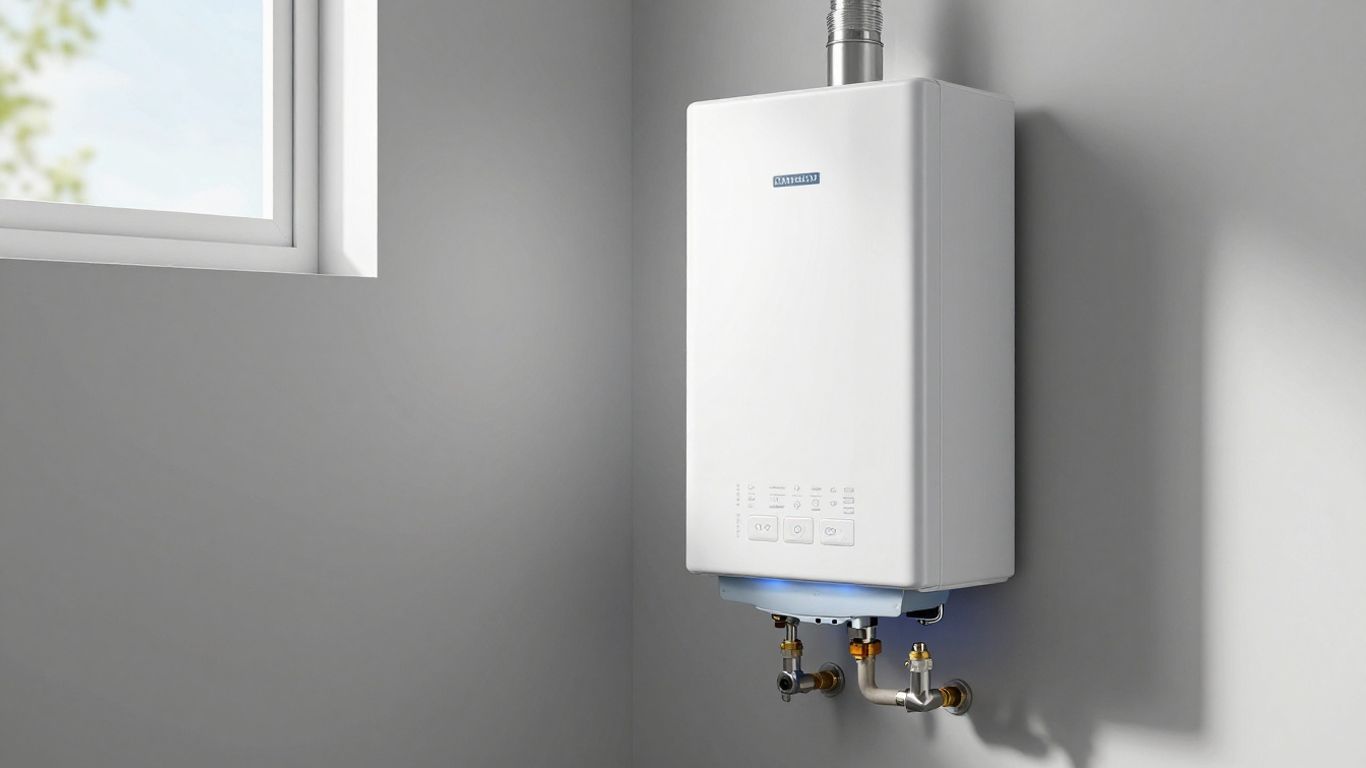
So, you’ve decided to upgrade to a high-efficiency water heater. That’s a smart move! But before you start enjoying those savings and better hot water, we need to talk about getting it installed and keeping it running smoothly. It’s not just about buying the unit; the setup and upkeep really matter.
Professional Installation Is Key
Look, we know the temptation to DIY is strong, especially when you’re trying to save a buck. But when it comes to water heaters, especially the high-efficiency models with their more complex venting and gas lines, getting a professional installer is non-negotiable. These systems need to be connected correctly to your home’s plumbing, gas, and exhaust systems. A mistake here could lead to leaks, inefficient operation, or even safety hazards. We’ve seen too many situations where a "quick fix" turned into a much bigger, more expensive problem down the line. A qualified plumber will make sure everything is up to code and working just right from day one.
Routine Maintenance For Optimal Performance
Once your new water heater is in, you can’t just forget about it. Regular check-ups are important to keep it working at its best. Think of it like changing the oil in your car. For most high-efficiency units, especially tankless ones, you’ll want to have them flushed out periodically to remove mineral buildup. This is particularly true if you have hard water. Also, check the vents and air intakes to make sure they aren’t blocked by debris. A simple visual inspection every few months can save you a lot of headaches.
Here’s a quick rundown of what to look for:
- Check for leaks: Look around the base of the unit and all connections.
- Inspect vents: Make sure nothing is obstructing airflow.
- Listen for unusual noises: Gurgling or banging could indicate a problem.
- Test the temperature and pressure relief valve: This is a safety feature that should be tested annually.
Choosing The Right Size For Your Household
This is a big one. Getting a water heater that’s too small means you’ll run out of hot water during peak usage times – think mornings when everyone’s showering or evenings when dishes are being done. On the other hand, a unit that’s way too big is just wasting energy heating water you don’t need. For tank-style heaters, the size is measured in gallons. For tankless, it’s about the flow rate (gallons per minute) and temperature rise. We usually recommend looking at your household’s peak demand. How many people live with you? What appliances use hot water simultaneously?
Here’s a general guide for tank-style heaters:
| Number of People | Recommended Tank Size (Gallons) |
|---|---|
| 1-2 | 30-40 |
| 2-4 | 40-50 |
| 4-6 | 50-60 |
| 6+ | 60-80+ |
Remember, this is just a starting point. Your usage habits play a huge role. If you have a large jacuzzi tub or frequently run multiple high-demand appliances at once, you might need to size up.
Wrapping Things Up
So, when we look at upgrading our water heaters, it’s clear there’s a lot to gain. We’ve talked about how these newer models can really cut down on our energy bills, which is something we can all appreciate these days. Plus, they’re often better for the environment, using less fuel to get the job done. It might seem like a big step to replace an old unit, but the long-term savings and the comfort of knowing we’re making a more responsible choice make it a pretty solid move for our homes. We think it’s worth considering for anyone looking to make smart improvements.
Frequently Asked Questions
How much money can we really save on our energy bills with a new water heater?
We’ve found that upgrading to a high-efficiency model can lead to noticeable savings. Depending on your old unit’s age and how much hot water you use, you could see a significant drop in your monthly utility costs. It’s like getting a discount on your energy use every month!
Are these new water heaters better for the environment?
Yes, absolutely! By using less energy to heat water, these advanced systems help reduce the demand on power plants, which often rely on fossil fuels. This means we’re doing our part to lower our carbon footprint and keep our planet healthier.
Will we always have enough hot water with an efficient unit?
One of the great benefits we’ve observed is a more consistent supply of hot water. Many of these newer models are designed to heat water more quickly or on demand, so you’re less likely to run out during busy times like morning showers or when doing laundry.
How long do these high-efficiency water heaters usually last?
Generally, these units are built to be more durable and last longer than older, standard models. With proper care and regular check-ups, we can expect them to serve our homes reliably for many years to come, often extending beyond the typical lifespan.
What’s the difference between tankless and other efficient water heaters?
Think of it this way: traditional water heaters store hot water in a tank, like a big thermos. Tankless models, on the other hand, heat water only when you need it, right as it flows through the unit. This ‘on-demand’ system can save energy because we’re not constantly keeping a large tank of water hot.
Is it hard to get one of these installed, and do we need to do anything special to keep it working well?
We strongly recommend having a qualified professional install your new water heater to ensure it’s set up correctly and safely. After installation, simple maintenance, like occasional flushing or checking the parts, will help it run at its best for its entire life.

