


Signs Your Water Heater May Need Replacement Before Fall in Belle Glade, FL
Here in Belle Glade, September does not exactly feel like sweater weather. We still have warm afternoons, heavy humidity, and the occasional round of late-summer storms rolling through the Glades. But fall is right around the corner, and that makes September the perfect time to check one of the hardest-working appliances in your home: your water heater.
At Glades Gas, we know how easy it is to ignore a water heater when it seems to be “doing fine.” But once the busy fall season begins, families are back in school-year routines, guests may start visiting, and your home’s hot water demand can increase. If your water heater is already showing signs of age or stress, waiting too long could leave you with cold showers, water damage, or an emergency replacement at the worst possible time.
Below are the most common signs your water heater may need replacement before fall, plus why Belle Glade homeowners continue to choose Glades Gas for honest guidance, dependable service, and gas water heater solutions that fit South Florida living.
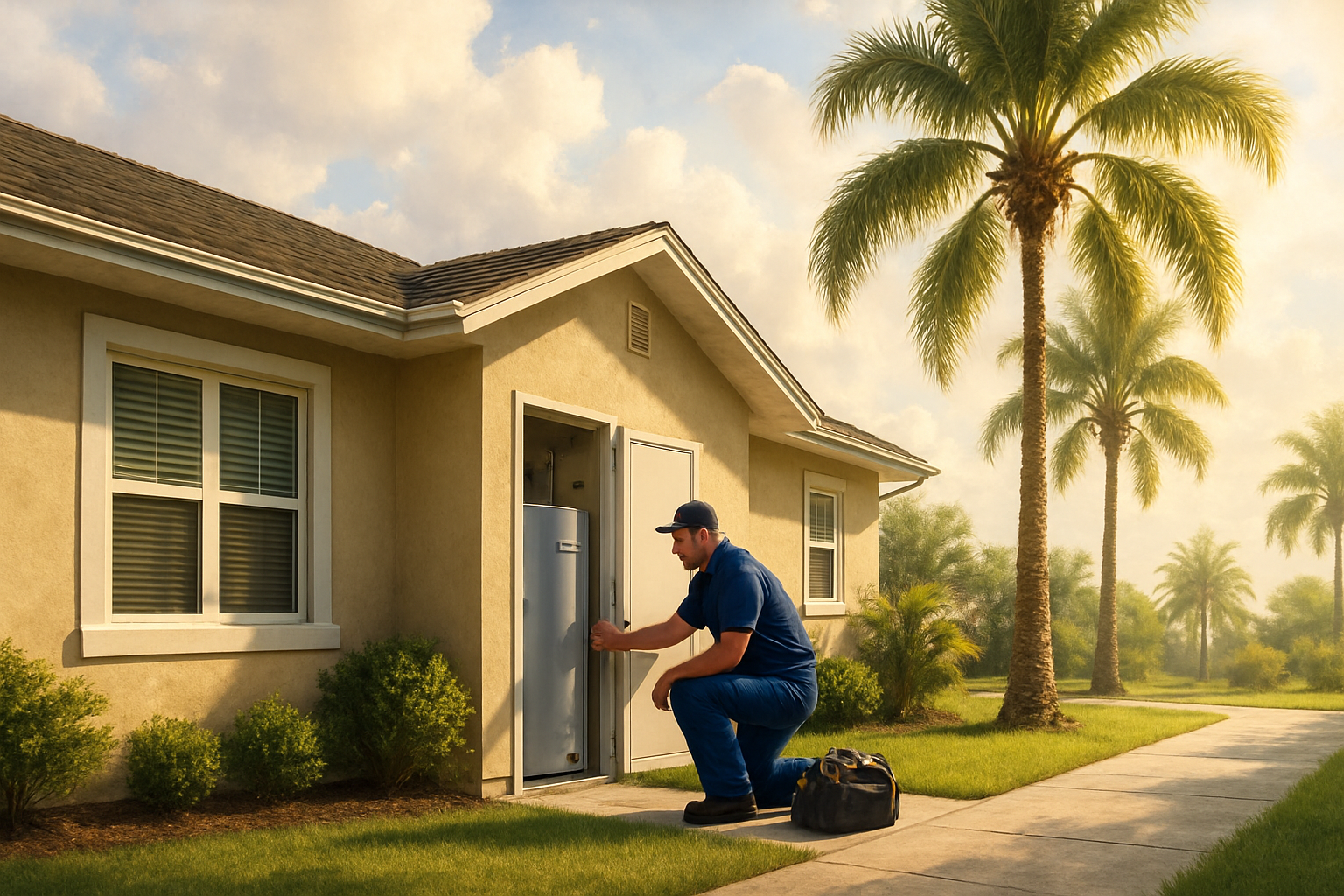
Key Takeaways:
- If your water heater is more than 8–12 years old, September is a smart time to schedule an inspection before seasonal routines get busier.
- Rusty water, inconsistent temperatures, strange noises, leaks, or rising utility costs can all point to a failing water heater.
- Replacing an aging water heater before it fails can help prevent water damage, emergency service calls, and inconvenient cold showers.
- Glades Gas provides local experience, propane and gas expertise, and dependable service for homeowners in Belle Glade and surrounding areas.
Why September Is a Smart Time to Think About Your Water Heater
In Belle Glade, September brings hot days, rainy afternoons, and high humidity. While you may not be turning up the heat anytime soon, your water heater is still working every day. Showers after yard work, laundry from school and sports activities, dishwashing, and household cleaning all rely on steady hot water.
September is also part of the peak Atlantic hurricane season. While no one wants to think about storm preparation, it is wise to make sure your major home systems are in good shape before bad weather creates additional stress. A water heater that is already leaking, rusting, or struggling to keep up can become a much bigger problem if storms, power interruptions, or flooding concerns enter the picture.
By checking your water heater before fall, you can make a planned decision instead of a rushed one.
1. Your Water Heater Is Getting Old
Age is one of the biggest warning signs that replacement may be near. Traditional tank water heaters often last around 8 to 12 years, depending on maintenance, water quality, usage, and installation. Some may last longer, but once a unit gets into that age range, it is smart to pay close attention.
If you are not sure how old your water heater is, check the manufacturer’s label or serial number. You can also call Glades Gas, and we can help you determine the age and condition of your system.
Older water heaters are more likely to develop internal corrosion, sediment buildup, efficiency loss, and leaks. Even if the unit still heats water, it may be costing you more than necessary to operate.
2. You Notice Rusty or Discolored Hot Water
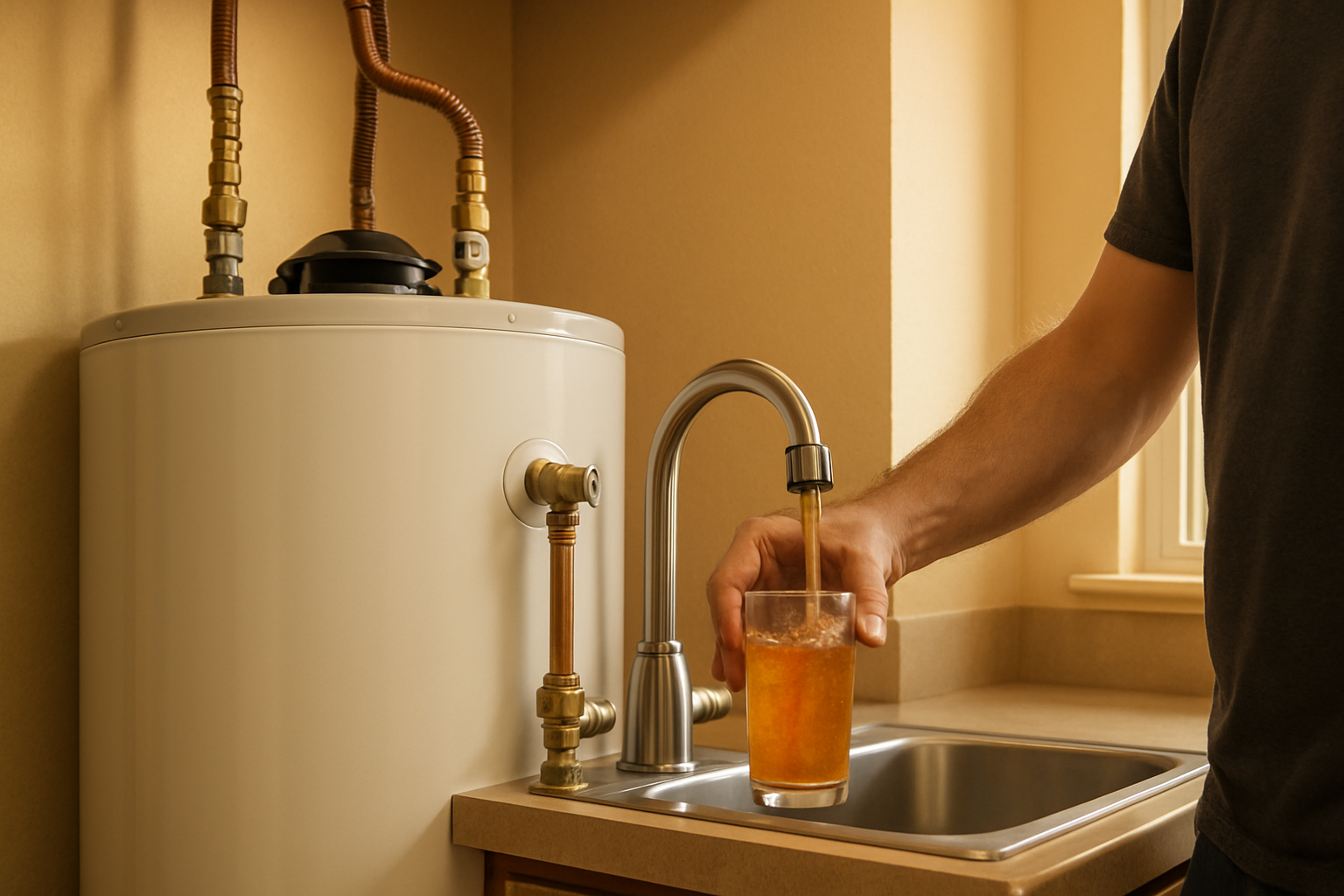
If your hot water looks rusty, brown, or tinted, your water heater could be corroding from the inside. In some cases, the issue may come from plumbing lines, but when discoloration appears mostly with hot water, the water heater deserves immediate attention.
Rust inside the tank is a serious concern because it often means the tank’s interior lining is breaking down. Once corrosion reaches a certain point, repairs are usually not enough to restore long-term reliability.
- Run cold water first and check whether it is clear.
- Then run hot water and look for rust, brown tint, or sediment.
- If discoloration appears mainly in the hot water, schedule a professional inspection.
In Belle Glade’s humid climate, catching corrosion early is important. Moisture and heat can be tough on equipment, especially units located in garages, utility rooms, or exterior storage areas.
3. Hot Water Runs Out Too Quickly
Does your shower start hot but turn lukewarm halfway through? Does the water heater struggle when multiple people need showers in the morning? If your hot water supply is not lasting like it used to, your system may be losing capacity.
One common reason is sediment buildup inside the tank. Over time, minerals settle at the bottom of the water heater. This layer can reduce the amount of available hot water and force the burner to work harder. The result is less comfort and higher energy use.
Sometimes flushing the tank may help if the unit is still in good condition. But if the water heater is older or sediment has hardened inside the tank, replacement may be the better long-term option.
4. You Hear Popping, Rumbling, or Banging Noises
A healthy water heater should operate fairly quietly. If you hear popping, crackling, rumbling, or banging sounds, sediment buildup may be causing the tank to overheat in spots. As water gets trapped under sediment and turns to steam, it can create loud noises.
These sounds should not be ignored. They can indicate that your water heater is under strain, which may reduce efficiency and shorten its lifespan.
“If a customer tells us their water heater is making rumbling noises, especially in an older unit, we recommend having it checked right away. That sound is often the appliance telling you it is working harder than it should.”
Glades Gas Service Team
5. You See Water Around the Tank
Water around your water heater is never something to brush off. A small puddle may come from a loose connection, valve issue, or condensation, but it can also be an early sign of tank failure.
When a tank begins to leak from internal corrosion, replacement is typically the only safe solution. Even a small leak can quickly become a major water damage problem, especially if it happens while you are away from home.
Before fall schedules get busy, take a few minutes to inspect around the base of your water heater. Look for:
- Standing water or damp flooring near the tank
- Rust marks, corrosion, or staining around fittings
- Drips from valves or pipe connections
- Soft drywall, musty smells, or signs of hidden moisture
If you see any of these signs, call Glades Gas before the problem gets worse.
6. Your Energy Bills Are Creeping Up
A water heater that is nearing the end of its life may still produce hot water, but it may need more fuel to do it. If your gas usage or utility costs are rising without a clear reason, your water heater could be part of the problem.
Older units often lose efficiency because of sediment buildup, worn components, or outdated technology. Replacing an inefficient unit with a modern gas water heater can help improve performance and may lower operating costs over time.
For many Belle Glade homeowners, propane or natural gas water heating offers quick recovery, strong performance, and dependable comfort. Glades Gas can help you compare your options and choose a system that matches your household’s needs.
7. Repairs Are Becoming More Frequent
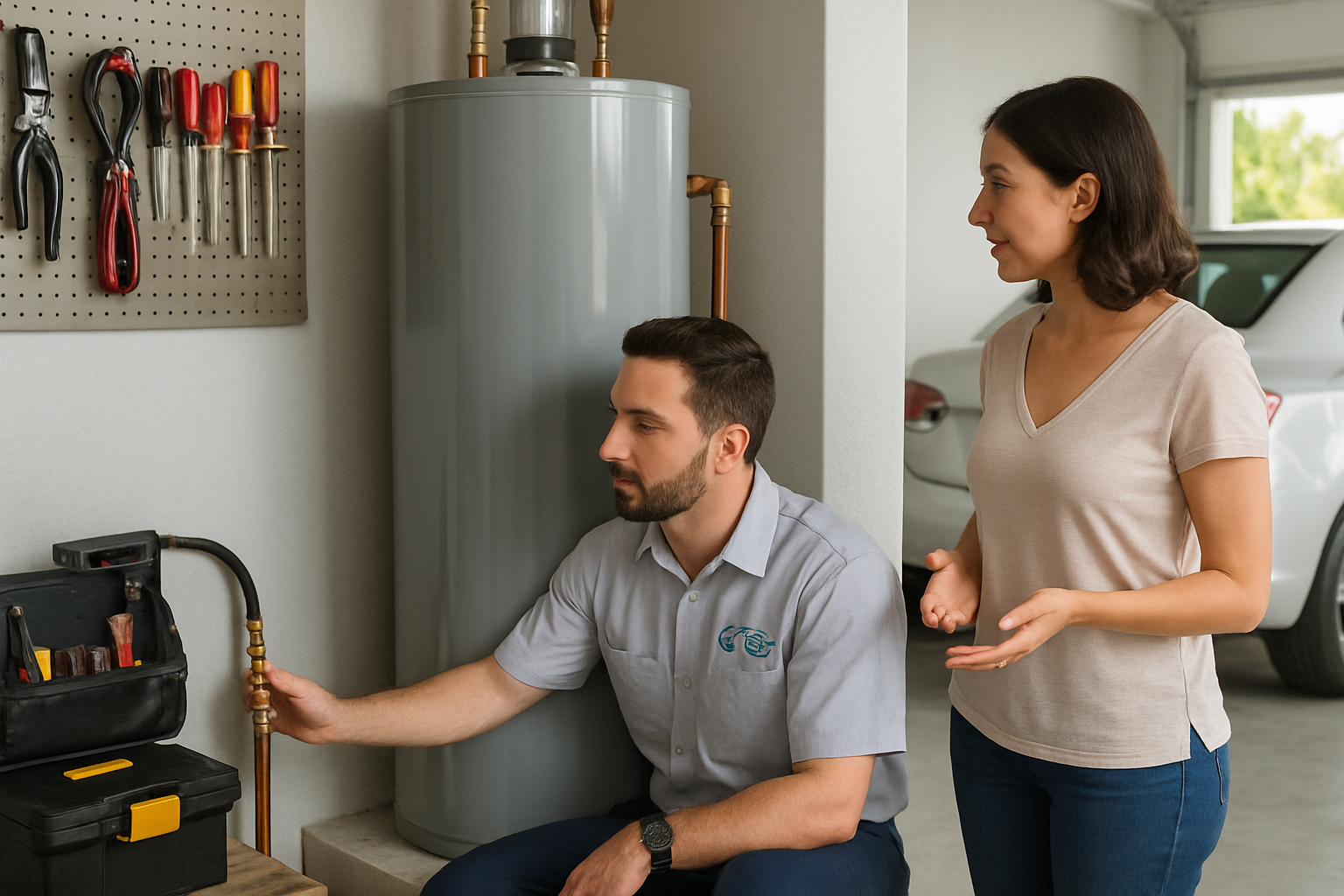
If you have already paid for multiple water heater repairs, it may be time to ask whether replacement makes more financial sense. A single minor repair on a newer unit may be worthwhile. But repeated service calls on an aging water heater can add up quickly.
Consider replacement if:
- Your water heater is near or past its expected lifespan.
- Repair costs are approaching a large percentage of replacement cost.
- You are dealing with recurring pilot, burner, valve, or temperature problems.
- You are worried about leaks or reliability.
A planned replacement gives you more control. You can choose the right size, discuss fuel options, schedule installation at a convenient time, and avoid the stress of an emergency breakdown.
Why Choose Glades Gas?
When it comes to your home’s hot water, you want more than a quick fix. You want a local company that understands Belle Glade homes, South Florida weather, and the importance of dependable gas service. That is where Glades Gas comes in.
As a local company serving Belle Glade and nearby communities, we take pride in helping our neighbors make smart, practical decisions. We are not here to push a replacement you do not need. We are here to inspect your system, explain your options clearly, and recommend solutions that make sense for your home and budget.
Customers choose Glades Gas because we offer:
- Local knowledge: We understand the climate, homes, and seasonal concerns of Belle Glade, FL.
- Gas expertise: Our team knows propane and gas appliances, including water heaters, and can help you select efficient options.
- Honest recommendations: We explain whether repair or replacement is the better choice.
- Reliable service: We value punctuality, safety, and professional workmanship.
- Long-term support: We are here after installation for fuel service, questions, and continued customer care.
Do Not Wait for a Cold Shower
A failing water heater rarely gets better on its own. If your unit is older, noisy, leaking, producing rusty water, or struggling to keep up, September is the right time to act. Taking care of your water heater before fall can help you avoid unexpected breakdowns, water damage, and inconvenient emergency service.
Glades Gas is proud to serve Belle Glade homeowners with dependable gas service and practical water heater guidance. Whether you need an inspection, replacement recommendation, or help choosing the right gas water heater for your home, our team is ready to help.
Contact Glades Gas today to schedule water heater service before fall arrives. Let us help you keep the hot water flowing safely, efficiently, and reliably for the season ahead.

