


As hurricane season approaches Belle Glade, we want to talk about propane. Many homes rely on propane for cooking, heating, and even power generation. Having a plan for your propane supply during a storm is important. We’ll go over how to get ready and what to think about so you can stay comfortable and safe if the weather turns bad. Proper propane hurricane preparedness can make a big difference.
Key Takeaways
- We need to know how propane tanks act in storms and how to keep them safe from wind.
- It’s smart to have enough propane on hand and think about backup plans if the power goes out for a while.
- Making sure your propane system is ready before a storm hits is a good idea for your household.
Ensuring Propane Hurricane Preparedness For Your Belle Glade Home
When hurricane season rolls around here in Belle Glade, we all start thinking about how to keep our homes safe and our families comfortable. For those of us who rely on propane for cooking, heating, or even running generators, taking specific steps to prepare our propane systems is a really good idea. It’s not just about having enough fuel; it’s about making sure everything is secure and safe before the wind and rain hit.
Understanding Propane Tank Safety During Storms
Propane tanks, whether they’re the larger ones for whole-house systems or smaller portable tanks for grills, can become hazards if not properly managed during a storm. High winds can knock them over, and if a tank is damaged, it could lead to a dangerous gas leak. We need to be aware of how these tanks behave in severe weather. The primary concern is preventing the tank from becoming a projectile or rupturing.
Here are a few things to keep in mind about tank safety:
- Location Matters: Try to position your tank in a spot that offers some natural protection from direct wind, like near a sturdy building wall, but not so close that it could be damaged by falling debris from that structure.
- Check Connections: Make sure all hoses and connections are tight and in good condition. Loose fittings are more likely to cause problems during strong winds.
- Know Your Tank Type: Larger, permanently installed tanks are generally more stable than smaller, portable ones. However, even large tanks need to be considered.
We often think about securing outdoor furniture or boarding up windows, but our propane tanks need that same level of attention. A little bit of foresight can prevent a lot of trouble.
Securing Propane Tanks Against High Winds
This is where we really need to get practical. A propane tank that’s just sitting there can easily be tossed around by hurricane-force winds. We need to make sure ours are anchored down. For smaller, portable tanks, this might mean bringing them inside if you have a safe, well-ventilated space, or securing them to a fixed object. For larger, permanently installed tanks, there are usually specific tie-down straps or anchoring systems that should be used. If you’re not sure how your tank is secured, or if it even is secured, now is the time to check. Your propane supplier can often provide guidance or even help with proper anchoring.
Here’s a quick rundown on securing tanks:
- Portable Tanks (e.g., for grills): If possible, store them in a shed or garage, away from living areas. If they must stay outside, secure them to a fence post or other immovable object using heavy-duty straps. Never lay a propane tank on its side unless it’s designed for it.
- Larger, Stationary Tanks: These should ideally be installed with a proper anchoring system. Check if your tank has straps or bolts that connect it to a concrete pad or ground anchors. If not, consult a professional.
- Regular Inspections: Periodically check the security of your tank, especially after smaller storms, to make sure it hasn’t loosened.
Taking these steps might seem like a hassle, but when a storm is bearing down, having a securely anchored propane tank gives us one less major worry to deal with. It’s all part of being ready for whatever hurricane season throws our way.
Essential Propane Supplies For Hurricane Season
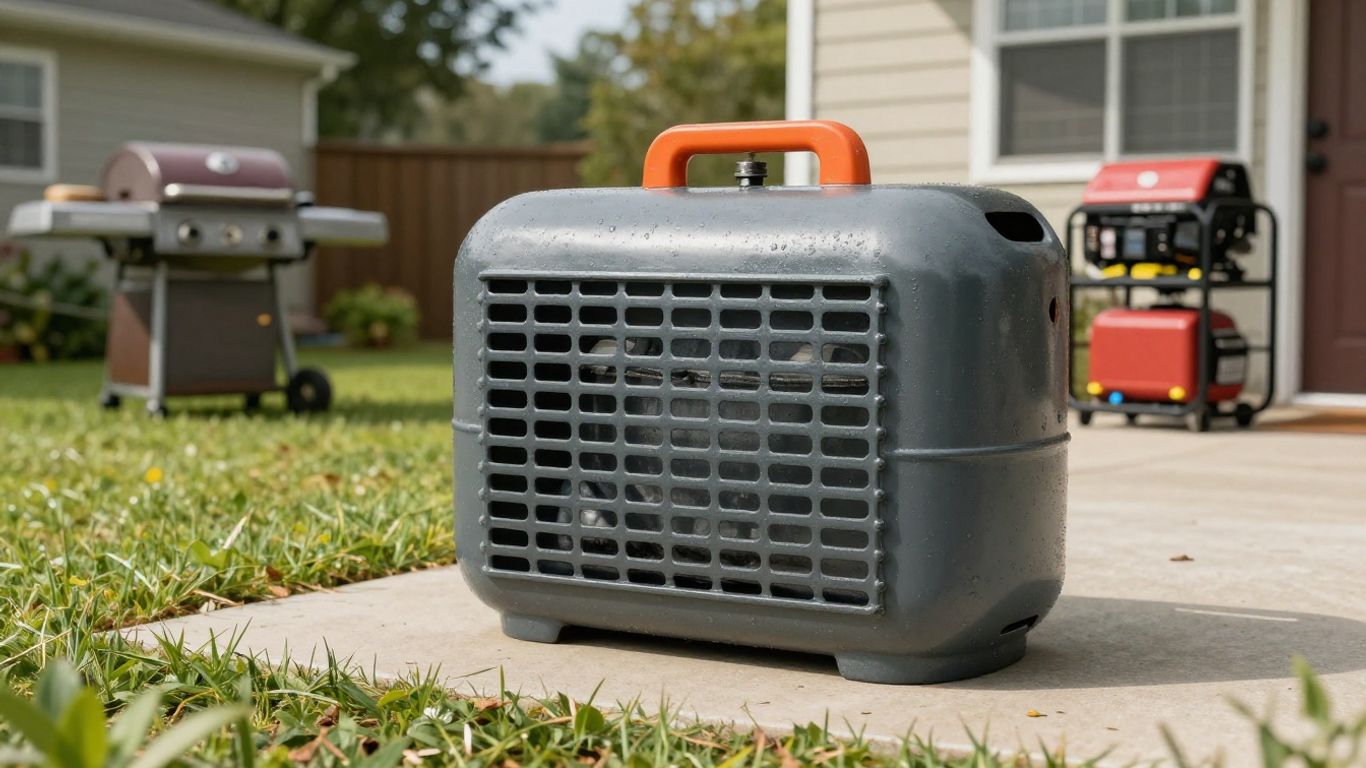
When hurricane season rolls around, we all start thinking about what we need to keep our homes running. For those of us who rely on propane, getting our supplies in order is a big part of that preparation. It’s not just about having enough fuel; it’s about having a plan.
Maintaining Adequate Propane Levels
Keeping your propane tank at a good level before a storm hits is really important. We don’t want to be caught with an empty tank when we need it most. A good rule of thumb is to aim for at least half a tank, or even a bit more, before the forecast looks serious. This gives us a buffer.
Here’s a quick check list for keeping tabs on your propane:
- Know your tank size: Most homes have either a 250-gallon or a 500-gallon tank. Knowing this helps you understand how much fuel you actually have.
- Read your gauge regularly: Don’t wait until you’re low. Check it weekly, especially as hurricane season gets going.
- Schedule refills proactively: If you see your tank getting below 50%, call your propane provider. Don’t wait for an emergency, as delivery services can get swamped before a storm.
Running out of propane during an outage means losing heat, hot water, and the ability to cook. It’s a situation we should all try to avoid.
Backup Propane Solutions For Extended Outages
Sometimes, even with a full tank, power outages can last longer than expected, and propane usage might go up. Having a backup plan can make a big difference.
- Portable propane tanks: For smaller appliances like grills or portable heaters, having a few smaller, refillable propane cylinders can be a lifesaver. These can keep essential items running if your main tank is depleted or inaccessible.
- Generator fuel: If you have a propane-powered generator, make sure you have a plan for refueling it. This might involve having extra tanks on hand or knowing the quickest way to get a refill if needed.
- Consider a larger tank: If you consistently find yourself running low during extended outages, it might be worth talking to your propane company about a larger tank installation for future seasons. It’s an upfront cost, but peace of mind is hard to put a price on.
Getting Ready Together
As we wrap up our chat about propane for hurricane season here in Belle Glade, we hope we’ve given you some good ideas. It’s easy to put off getting ready, but thinking ahead now can make a big difference when bad weather hits. We all want our homes to be safe and comfortable, and having a plan for your propane supply is a smart step. Let’s all do our part to be prepared, so we can face hurricane season with a little more peace of mind. Stay safe, everyone.
Frequently Asked Questions
Why is it important to keep our propane tanks safe before a hurricane?
When strong winds and heavy rain come with a hurricane, unsecured propane tanks can become dangerous. They might tip over, break free, or even cause leaks. Keeping them safe helps prevent accidents and ensures we have reliable fuel when we need it most after the storm passes.
How much propane should we aim to have in our tanks before hurricane season starts?
We recommend keeping our propane tanks at least 80% full. This gives us a good reserve of fuel for cooking, heating water, and running generators if the power goes out for a long time. It’s better to have too much than not enough when supplies might be hard to get.
What should we do if we run out of propane during a long power outage?
If we use up our primary propane supply, having a backup plan is wise. This could mean having a smaller, portable propane tank ready for essential appliances or knowing how to contact our propane provider for an emergency refill. Planning ahead can make a big difference in our comfort and safety.

